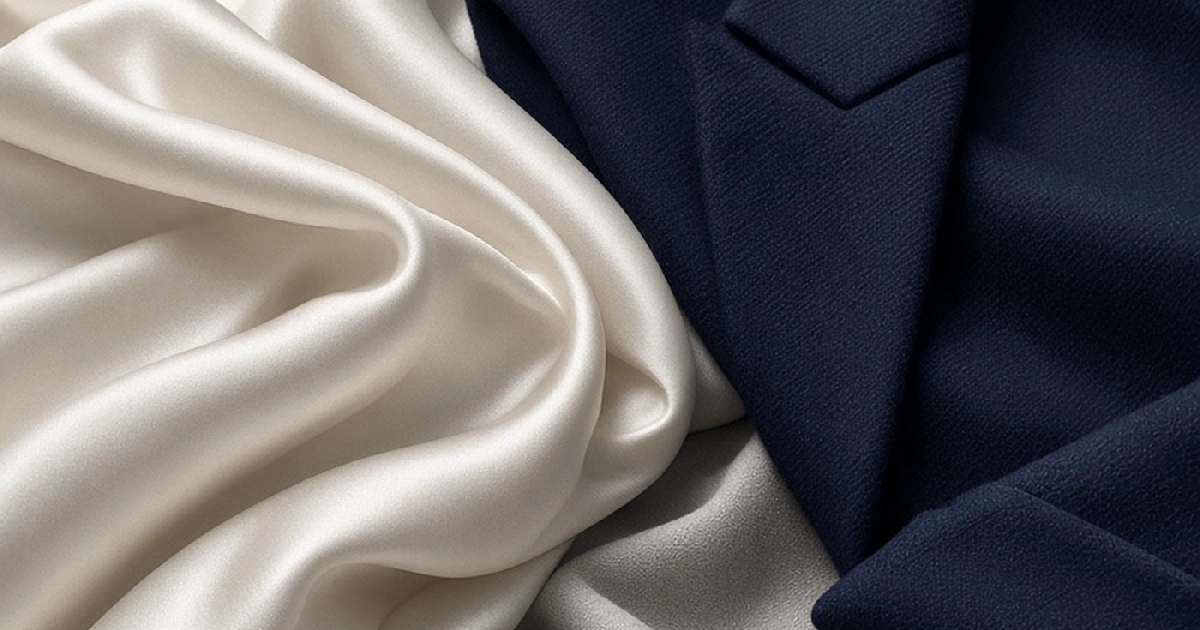
Shooting system covers without flattening the cloth
A system cover — the kind of magazine frame built like a printed object — fails when the cloth becomes plastic. Softboxes, compression, and aggressive skin retouch can erase the grain that made the atelier choose the fabric.
This guide gives fashion photographers a practical path to keep fabric grain visible on a magazine cover without romanticizing underexposure.
Decide what must survive print
Before the first frame, list what the cover must still show after CMYK and newsstand plastic:
- Weave or knit structure at chest and sleeve
- Edge of a lapel or seam that proves construction
- A highlight that is soft, not clipped chrome
- Skin that does not compete with cloth for detail
If the brief only says “beautiful,” you will optimize for phone glow and lose the cloth.
Light for cloth, then for face
- Key for texture — a large soft source slightly off-axis keeps micro-contrast in wool and silk.
- Fill under control — fill should lift shadows without deleting fold depth.
- Background separation — a gentle edge or paper gradient so dark cloth does not melt into the set.
- Face second — add a small face light only after cloth reads; do not let beauty dishes flatten the garment first.
Phone chimping lies. Check a tethered crop at cover scale.
Grip and set choices that protect grain
- Prefer matte surfaces near specular fabrics.
- Keep steam and spray distant until after hero frames.
- Avoid plastic reflectors that throw hard speculars onto silk.
- Mark talent’s marks so folds can be rebuilt between takes.
Capture settings that leave headroom
Shoot with enough resolution for a full-bleed cover and a framed “print object” crop. Expose to protect highlight weave. Do not crush blacks to fake mood if the black cloth needs internal detail for the masthead contrast test.
Retouch rules that keep authorship
| Keep | Cut |
|---|---|
| Weave visible at 100% on chest panels | Frequency separation that turns wool into skin-smooth plastic |
| Honest seam shadow | Dodge that erases construction |
| Slight fabric wear if true to sample | Liquify that breaks grain direction |
| Consistent color across regional covers | Local contrast that invents a different cloth |
Retouch should answer: would the atelier still recognize their sample?
Cover type stress test
Drop temporary masthead, barcode, and two cover lines on a JPEG proof. If the cloth disappears under type, fix light and crop — do not only thicken the type stroke.
On-set checklist
- Cloth hero crop reviewed on tether at print size
- Backup frame with alternate fold
- Color chart in at least one frame per lighting setup
- Notes for retouch: where grain must survive
Shooting system covers without flattening the cloth is not nostalgia. It is how a cover still claims to be about fashion rather than only about a face-shaped light blob.